We provide advanced skin, hair, and aesthetic, laser treatments with world-class technology, led by Dr. Mahendra Vaghasiya.
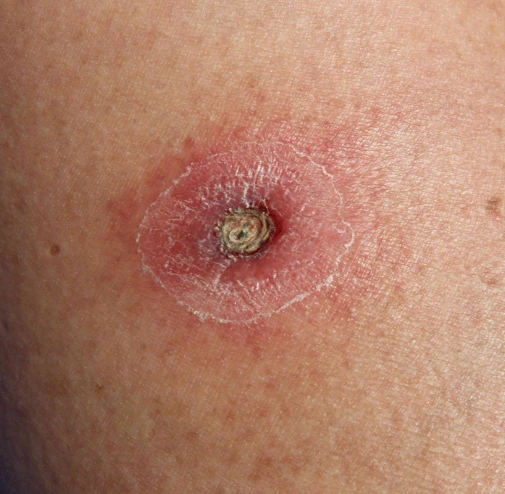
Skin bacterial infections such as impetigo, cellulitis, folliculitis, and boils require timely medical attention to prevent complications. Treatment generally involves maintaining proper skin hygiene and the use of prescribed topical or oral antibiotics to eliminate infection.
Supportive measures, including warm compresses and pain management, may also be recommended. Early diagnosis and appropriate care promote faster recovery and reduce the risk of recurrence or scarring.
Consult with Dr. Mahendra Vaghasiya, Dermatologist, for expert care in treating skin bacterial infections such as impetigo, cellulitis, folliculitis, boils etc.
Clear skin starts with the right care.
Book your appointment today for personalized treatment with Dr. Mahendra Vaghasiya.
Consult with Dr. Mahendra Vaghasiya for a personalized treatment plan tailored to your need.
According to treatment plan our therapist or doctor will carry out the procedures.
Explore clear answers to common questions about our treatments and care in this Q&A section.
Skin bacterial infections are usually caused by bacteria like Staphylococcus aureus or Streptococcus pyogenes entering the skin through cuts, wounds, or even hair follicles.
Some common ones include impetigo, cellulitis, folliculitis, and boils.
Signs include redness, swelling, pain, warmth, pus, or crusting on the skin. In some cases, you may also have a fever.
Yes, certain infections like impetigo can spread through direct contact or by sharing personal items. Good hygiene helps prevent transmission.
Treatment depends on the type and severity. Mild infections may be treated with topical antibiotic creams, while more serious cases may require oral antibiotics.
Minor infections can sometimes be managed with proper hygiene and topical medicines, but it is always best to consult a dermatologist for the right treatment.
Most infections improve within 7–10 days of starting treatment, but healing time may vary based on severity and your overall health.
Avoid scratching or squeezing the infected area, sharing towels or personal items, and skipping prescribed medications.
Yes, they can recur if not treated properly or if underlying causes like poor hygiene, skin injuries, or weak immunity persist.
If the infection spreads quickly, becomes painful, does not improve within a few days, or is accompanied by fever, seek medical attention promptly.
If you wants to know more about any treatments, talk with our counselor for any questions or guidance before or after your treatment.
We provide advanced skin, hair, and aesthetic, laser treatments with world-class technology, led by Dr. Mahendra Vaghasiya.
Excellent Business Hub, 810 – 814, opp. SRSS Venus Hospital Road, Lal Darwaja, Patel Nagar, Surat, Gujarat 395008
Monday – Saturday: 10am – 7pm
Sunday: Closed